NONPROFIT INSIGHTS
Here you’ll find highlights from Paul Durban’s “Mission Forward” and “Nonprofit AI Navigator” LinkedIn newsletters. These articles share nonprofit-specific tips and insights covering artificial intelligence, strategy, operations, growth, and the real challenges behind them.
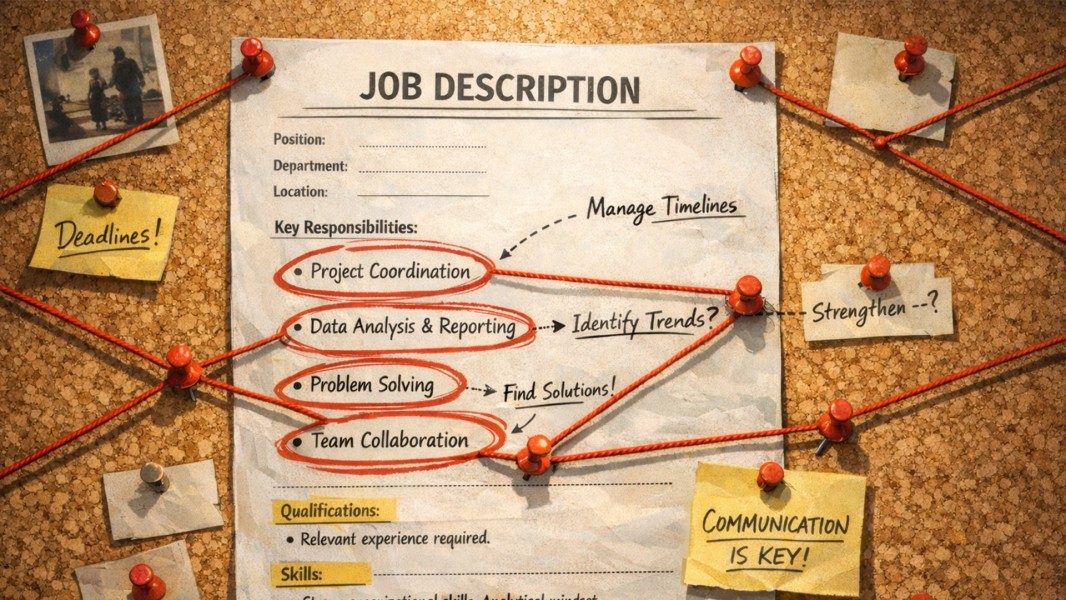
Your job description already tells you how to use AI.
Most nonprofits struggle with where to start—but the answer is already there. Break down the work people are actually doing, and AI use becomes obvious, practical, and immediately useful.

You don’t need better tools—you need better starting points.
AI adoption doesn’t begin with new software. It starts with understanding what’s not working and pointing the tool at real problems instead of hypothetical ones.
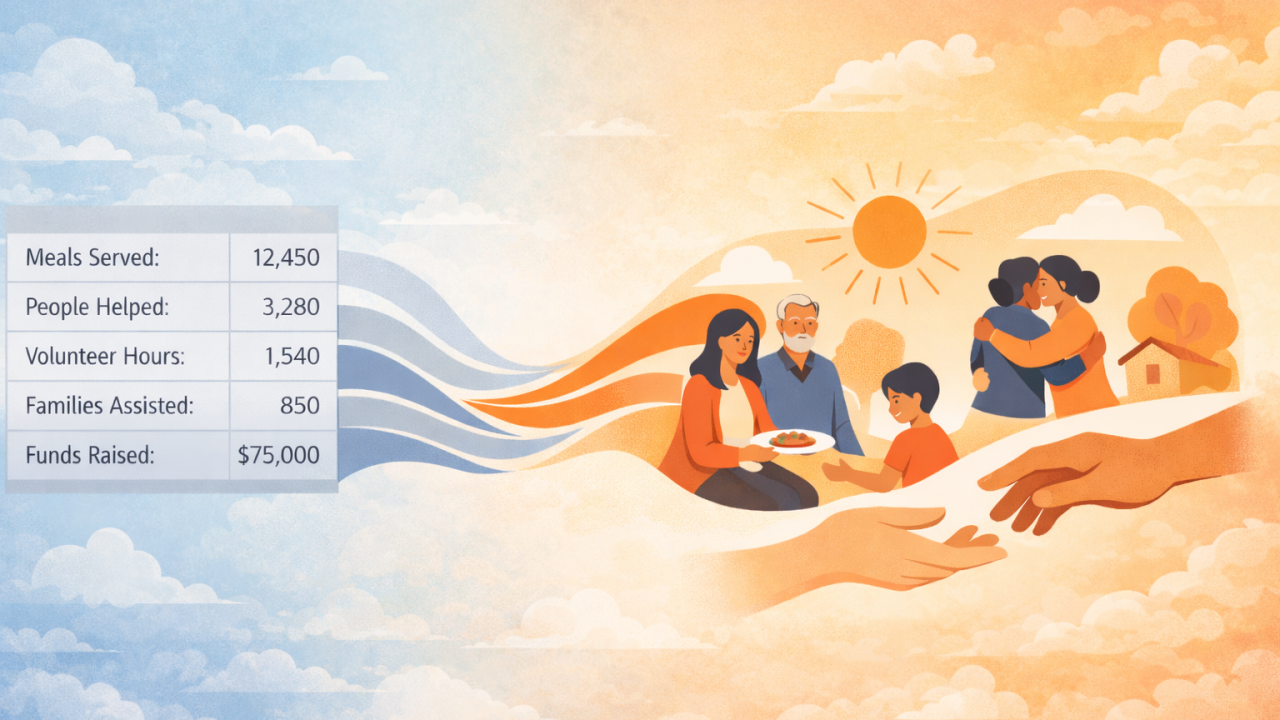
Your data doesn’t matter if you can’t tell the story.
Numbers alone don’t move people. The real impact comes from turning patterns into narratives that help others understand what’s actually happening and why it matters.

Winning the grant might be the wrong move.
Chasing funding can pull organizations away from mission, capacity, and long-term sustainability. Not every opportunity is worth the cost.
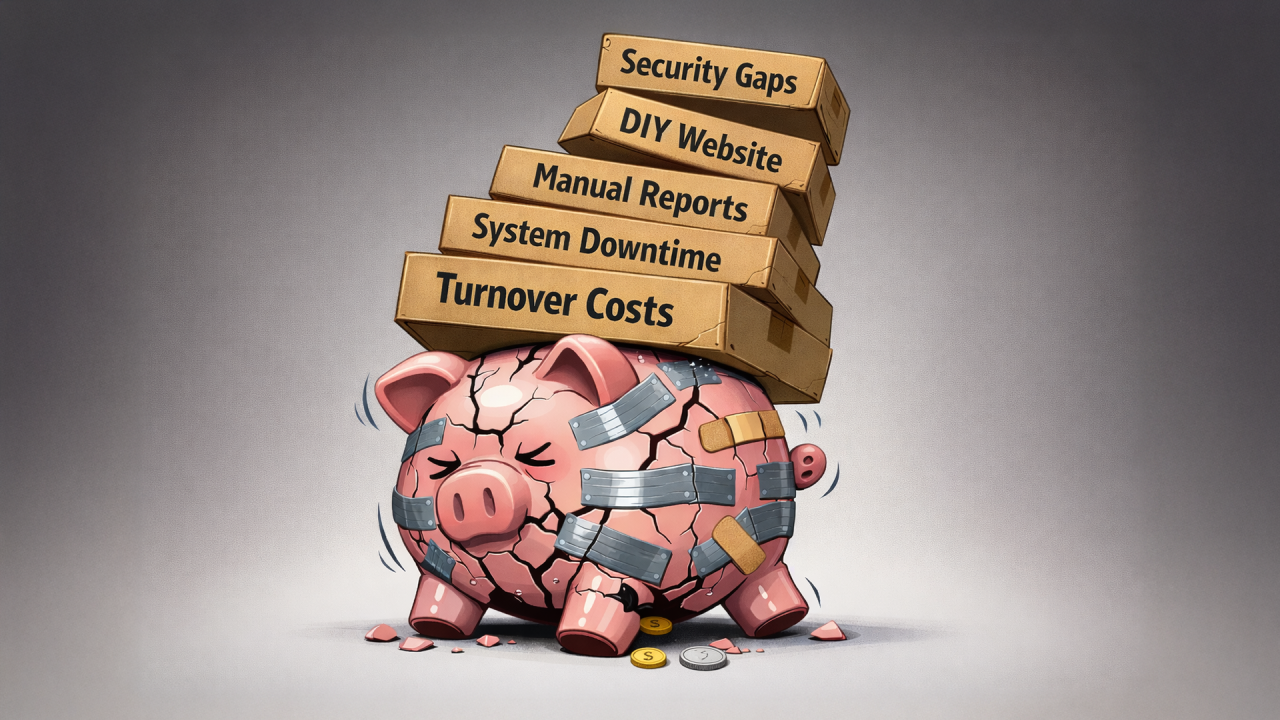
Saving money can cost you more than you think.
Cutting costs often looks responsible—but when it leads to burnout, inefficiency, or missed opportunities, the long-term impact can outweigh the short-term savings. The real question isn’t “Is this cheaper?”—it’s “What is this costing us over time?”

If people misunderstand you, that becomes your reality.
You don’t get to control how your organization is perceived—but that perception still drives decisions. Funding, partnerships, and trust are shaped by what people believe, not just what’s true.
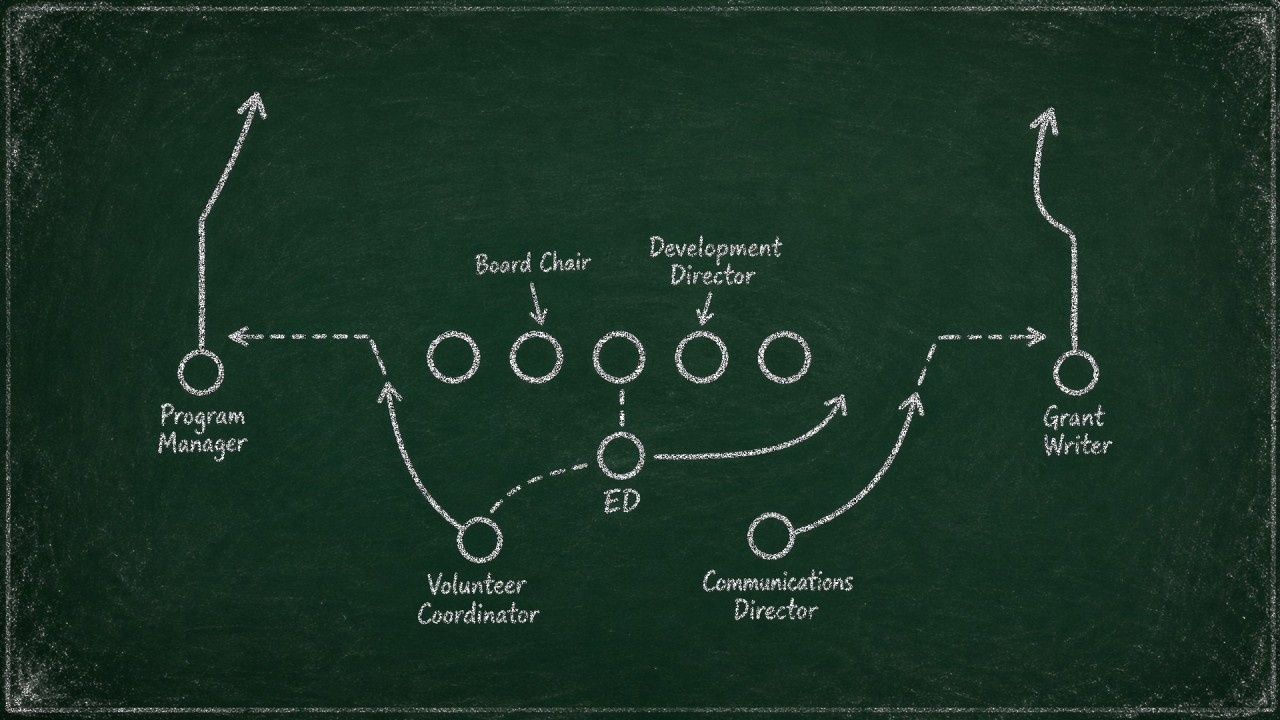
Is Your Nonprofit Playing Offense or Defense?
Most nonprofits spend their days reacting to whatever lands in front of them. But the organizations that make the biggest impact aren’t just putting out fires—they’re intentionally creating momentum. When you understand the difference between playing defense and playing offense, you can spend less time reacting to urgency and more time moving your mission forward with purpose.

Stress Test Your Ideas Before the Stakes Are Real
The strongest ideas aren’t the ones everyone agrees with right away—they’re the ones that can withstand tough questions before time, money, and reputation are on the line. By intentionally pressure-testing your assumptions from multiple perspectives, you uncover blind spots, strengthen your thinking, and make better decisions before the real-world consequences arrive.

Can AI Find Your Nonprofit?
People can’t support a mission they never discover. As more people turn to AI instead of traditional search engines, nonprofits need to think beyond websites and keywords. The organizations that clearly communicate who they help, what they do, and why it matters will be the ones AI can confidently recommend—making visibility just as important as the work itself.

Fundraising on Borrowed Time
Many nonprofits wait until donations slow, reserves shrink, or a crisis hits before focusing on fundraising. By then, you’re already borrowing from tomorrow. The strongest fundraising programs are built long before they’re urgently needed—through consistent donor relationships, steady communication, and systems that create sustainable support instead of last-minute scrambling.

Celebrating the People Behind the Mission
Nonprofits are powered by people whose dedication often happens behind the scenes. Taking time to recognize the leaders, volunteers, and organizations making a difference isn’t just about celebrating success—it’s about reminding us what strong communities look like when people choose to serve. The work deserves to be seen, and the people doing it deserve to be celebrated.

What Your Job Posting Forgot to Ask
The best hires aren’t just looking for a paycheck—they’re looking for purpose, growth, and a place where they can make a difference. A job posting shouldn’t only list what you expect from candidates. It should also answer the question every great candidate is asking: “Why should I choose you?” The strongest organizations recruit people by sharing their mission, culture, and opportunity, not just a list of responsibilities.